Aeration

Core Aeration in Baldwin County, AL

Core aeration that opens the soil for air, water and nutrients to reach the root zone.

Get Your Free EstimateGet Your Free Estimate

Enter your address to start

Free estimateNo obligationWe follow up personally

By continuing, you agree Prolands may contact you about your request by phone, text, or email. Reply STOP to opt out.

Aeration

What Is Core Aeration?

We use equipment designed specifically for aeration, which consists of a series of hollow coring tines. When these tines are rolled over the lawn, they puncture the soil, removing small soil plugs (cores) and leaving small holes behind.

The cores of soil and thatch pulled up by the machine are left on the lawn because they contain beneficial microorganisms that help break down the rest of the thatch. The holes left when the cores are removed allow air, nutrients and water to reach the soil.

Core AerationThatch ReductionRoot Development
Get A Prolands Quote
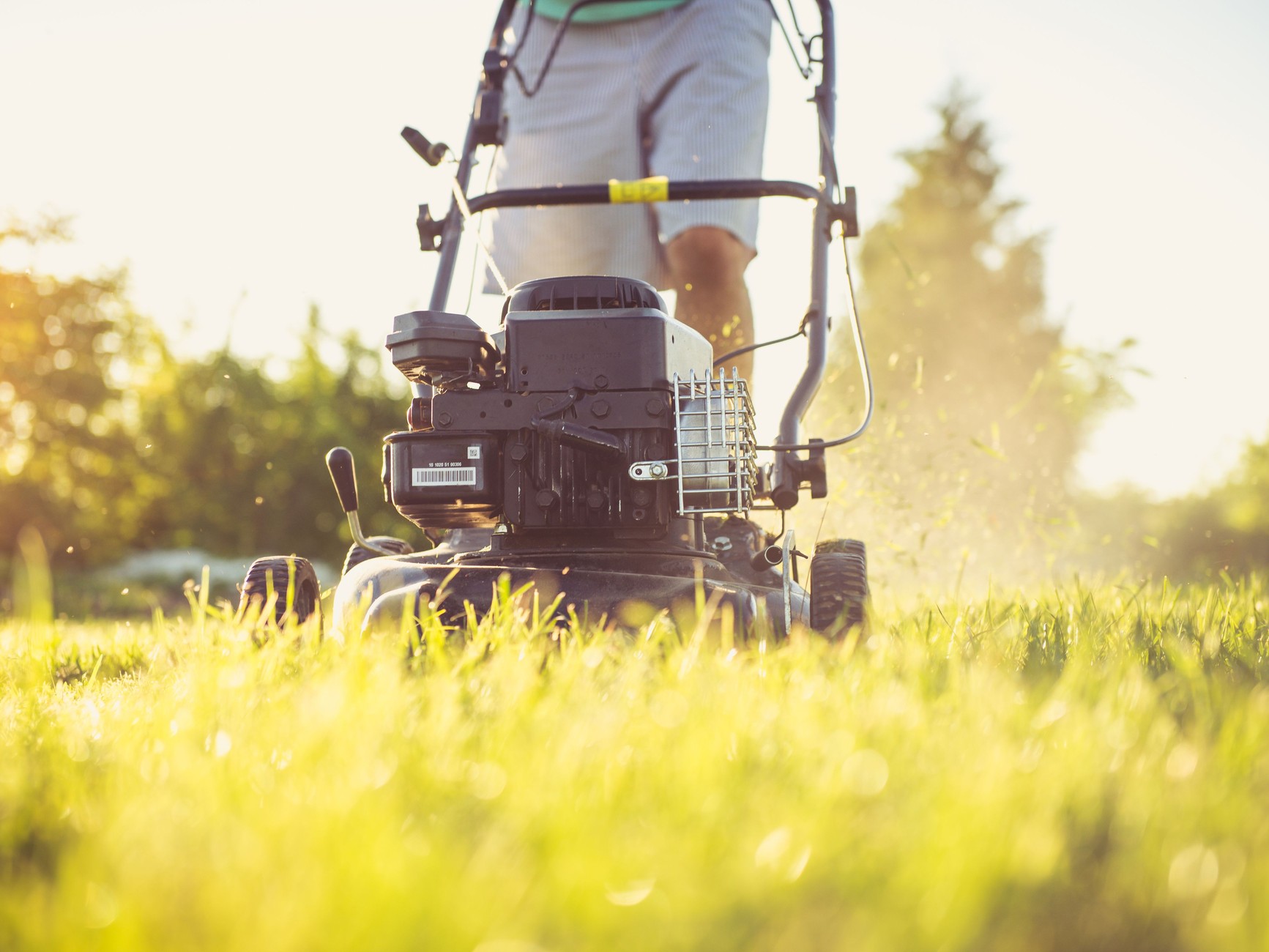
Aeration

What's Included

Reduce Soil Compaction — Performed annually, aeration creates room for water, air and nutrients to reach the root system.
Reduce Thatch — Regular aeration helps break down the layer of living and dead plant material that can restrict root development and harbor disease and pests.
Enhance Deep Root System — A deeply rooted lawn is healthier and better able to withstand drought, disease and insect stress.
Our process

How Aeration Works

CONFIRM the real process/scheduling against Prolands’ actual practice (client-intake.md G7).

01 — Lawn Check

Lawn Check

We check soil compaction and thatch buildup to confirm aeration is the right call.

02 — Core Aeration

Core Aeration

Hollow coring tines pull soil plugs across the lawn.

03 — Left to Break Down

Left to Break Down

Cores are left on the lawn to break down naturally and feed the soil.

Frequently asked questions

Aeration FAQs

What is core aeration?
Core aeration uses hollow coring tines that puncture the soil and pull small plugs (cores) of soil and thatch, leaving holes that let air, nutrients and water reach the root zone.
What happens to the soil plugs pulled up during aeration?
They’re left on the lawn — they contain beneficial microorganisms that help break down the rest of the thatch layer.
How often should I aerate?
PLACEHOLDER — confirm the client’s real recommended frequency (their own site notes benefits "when performed annually").
Free estimate

Get Your Free Estimate

Tell us about your property and what you need — no obligation, no pressure.

Also available

Our Other Services